Mexico | Mexico D.F. | Mexico City

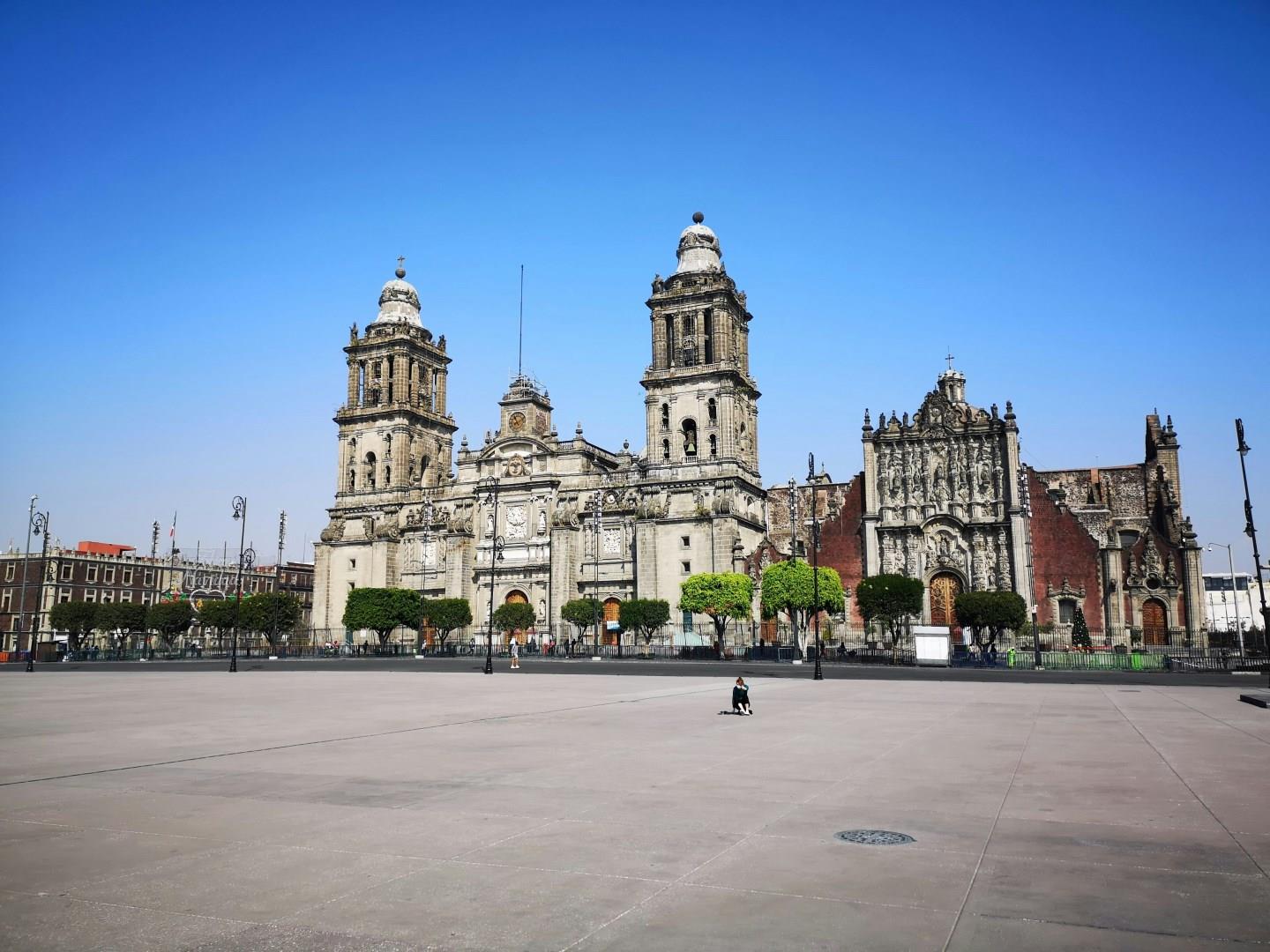
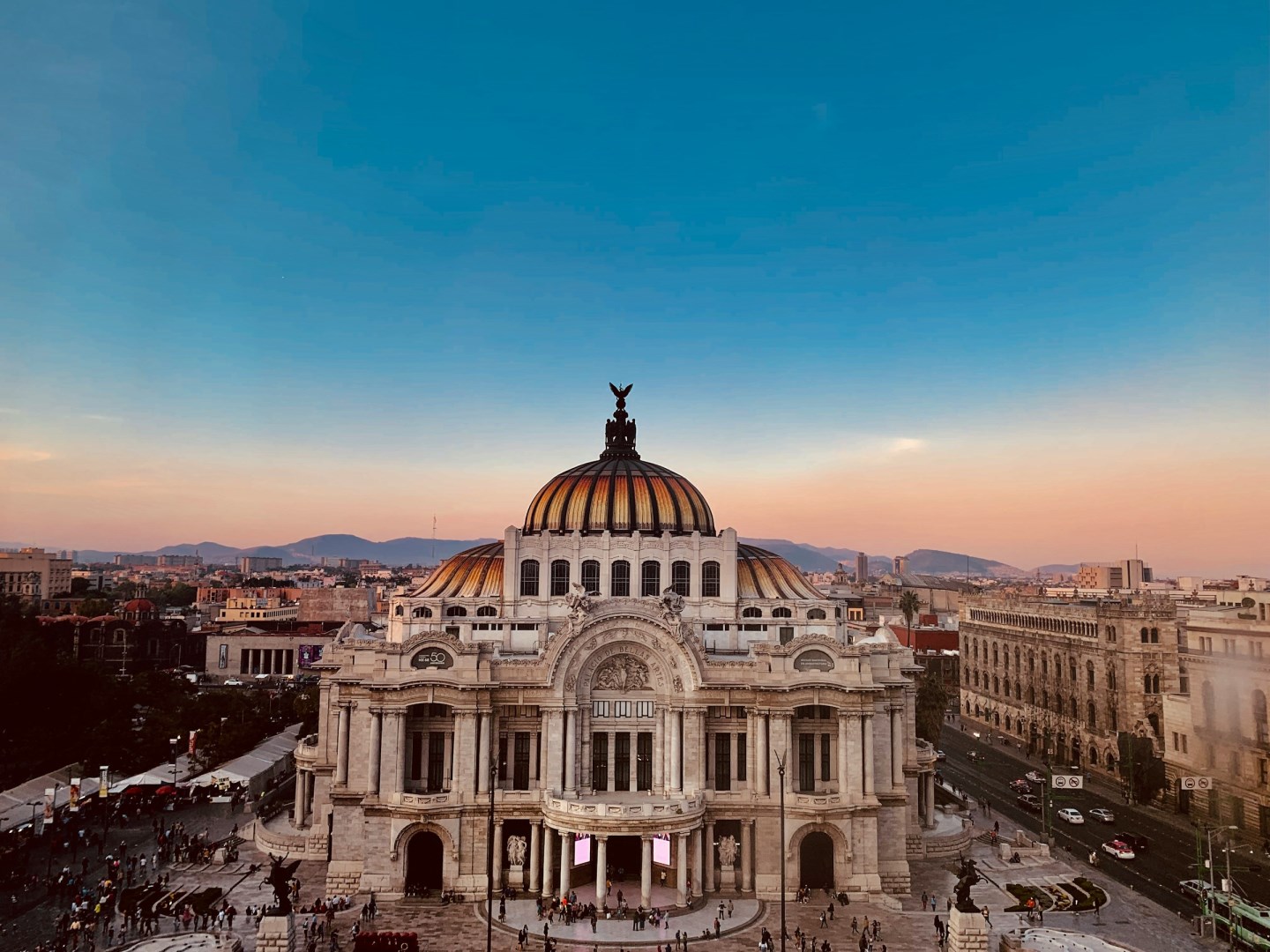
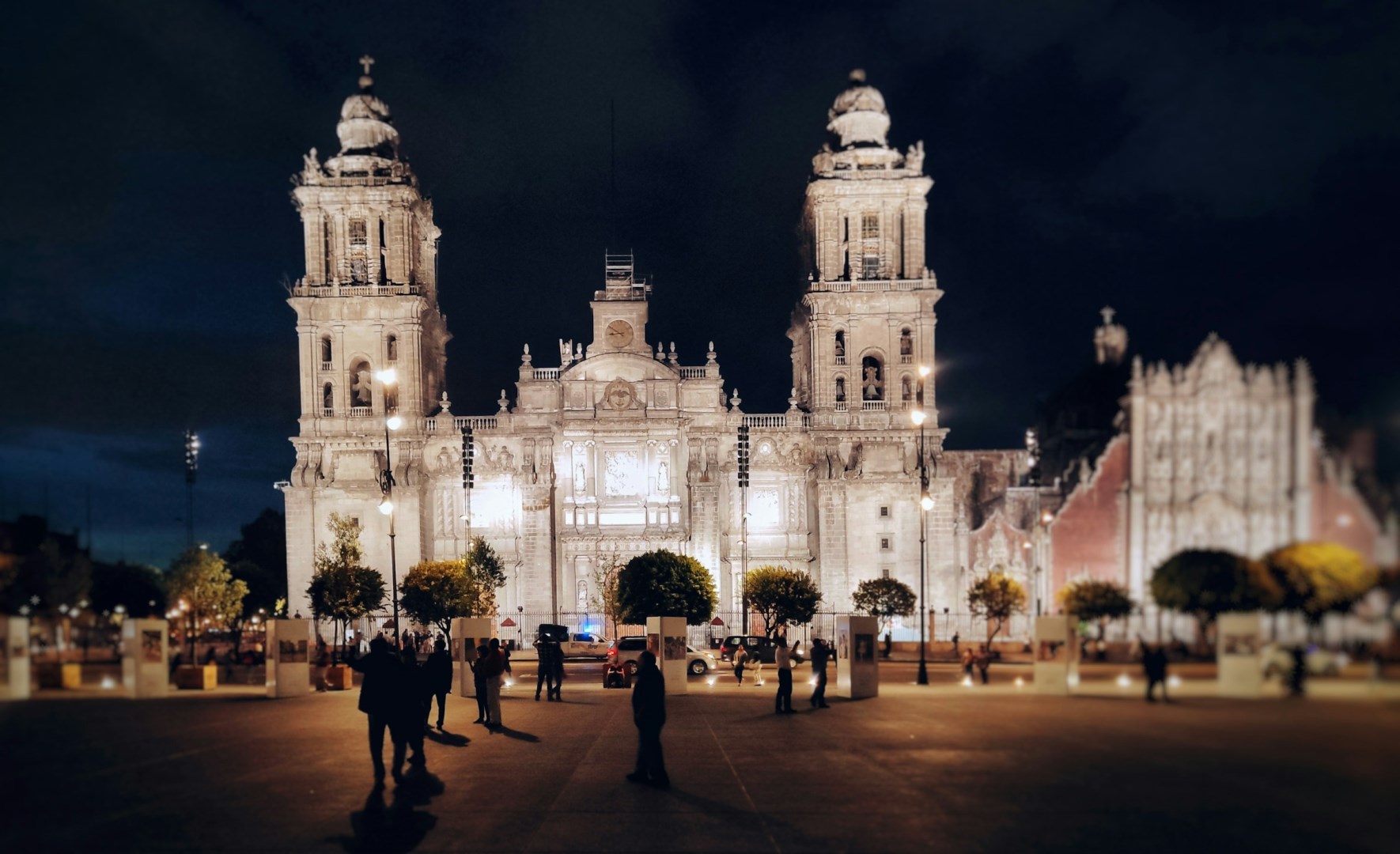
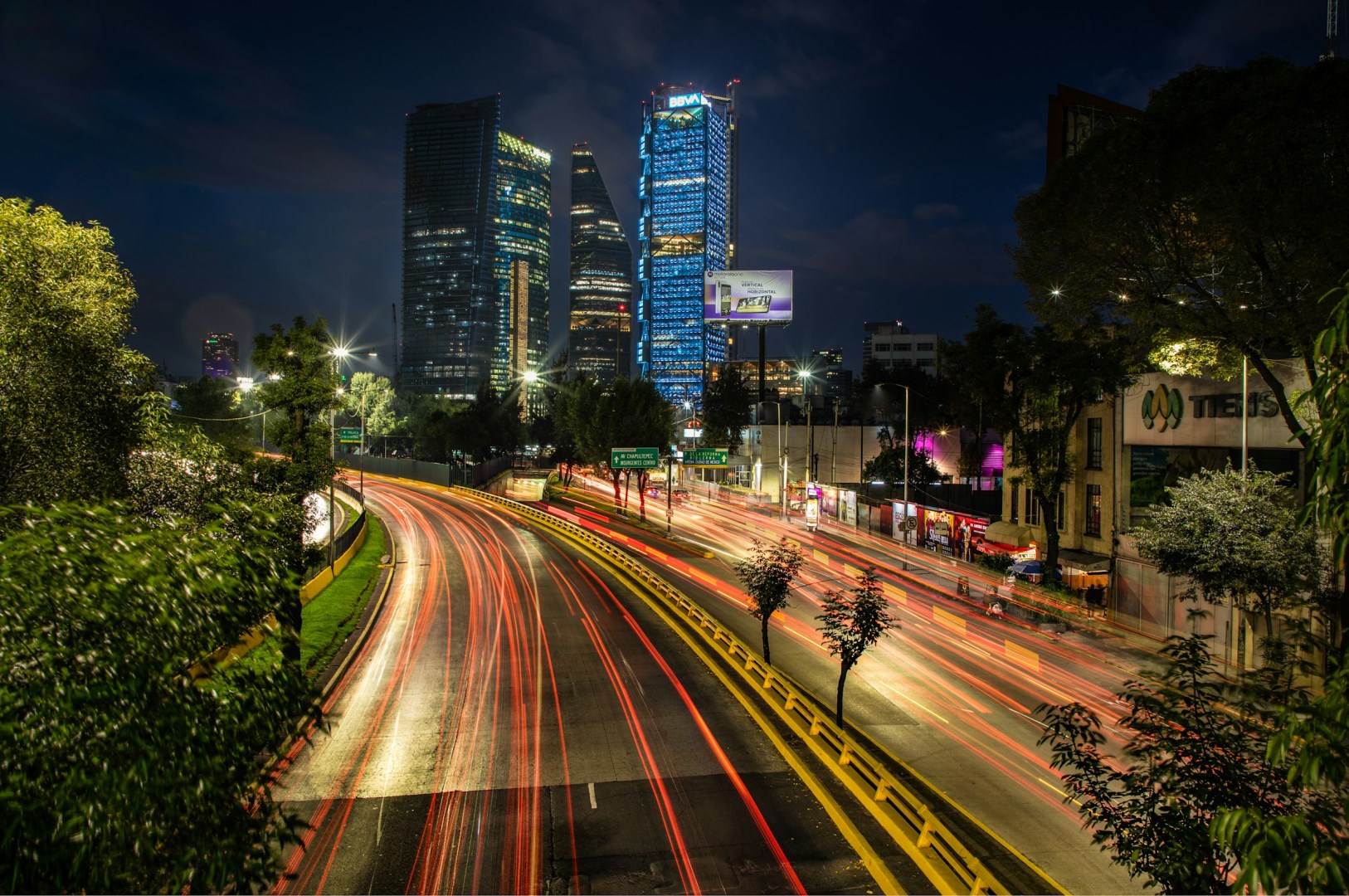

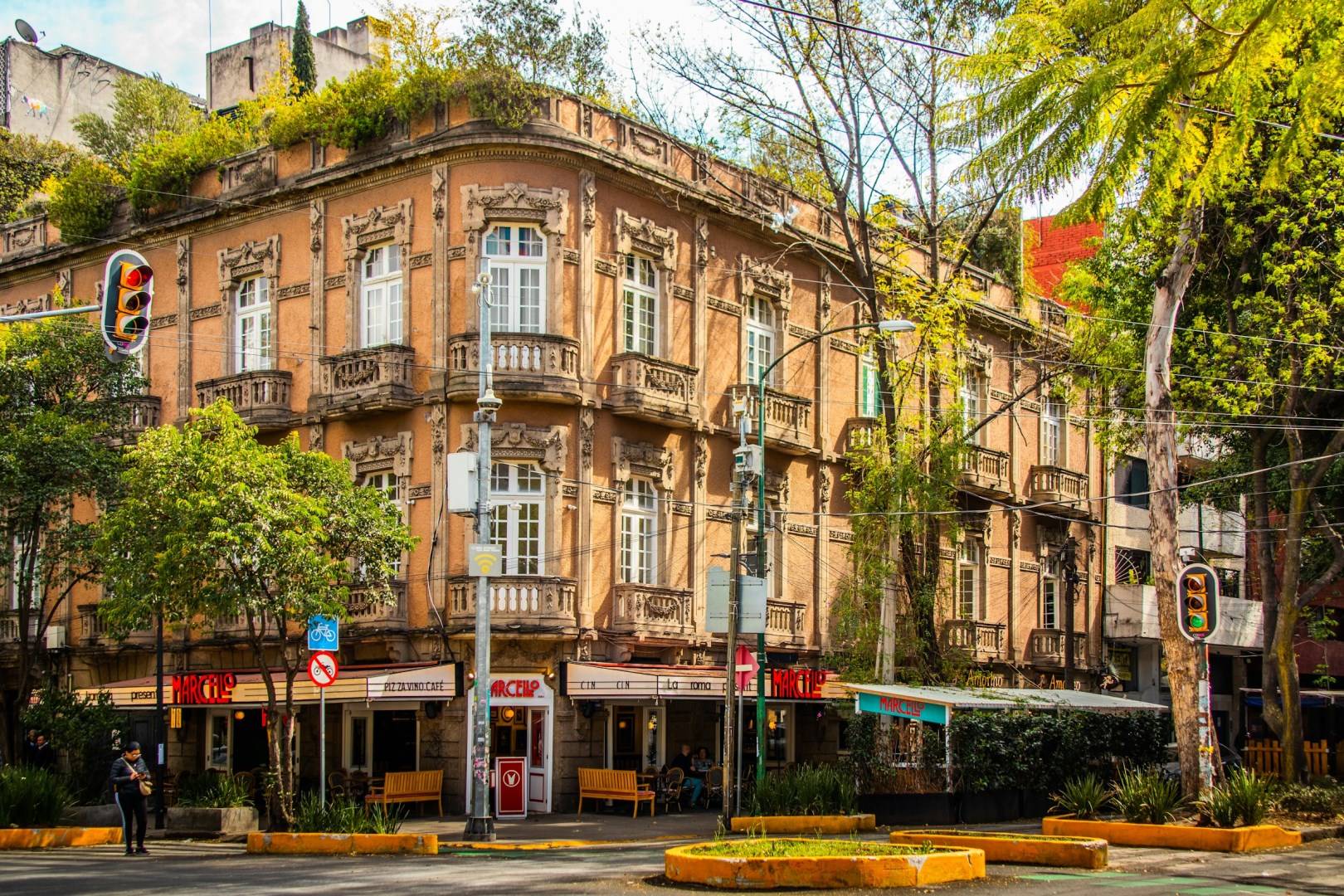
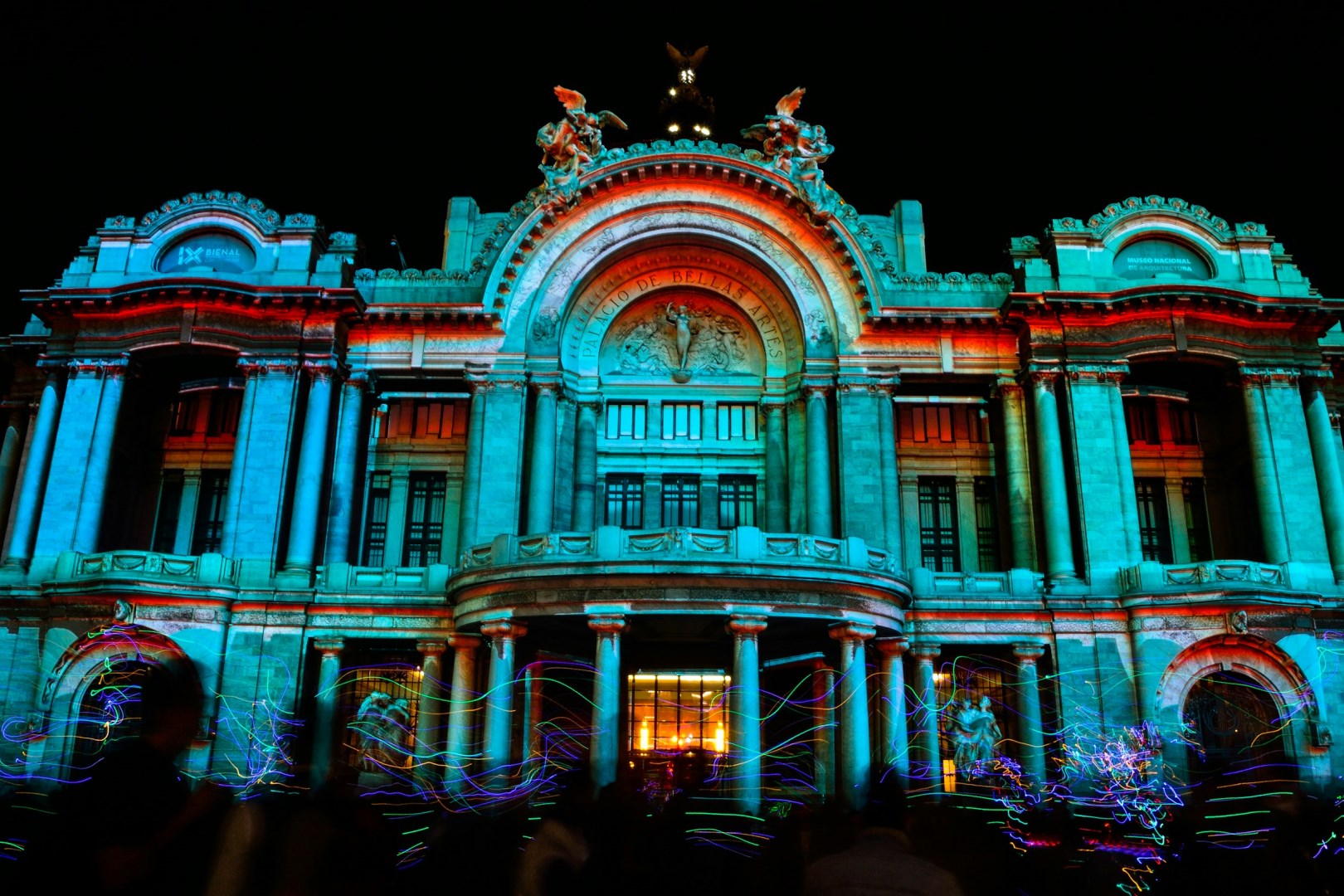
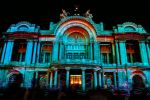

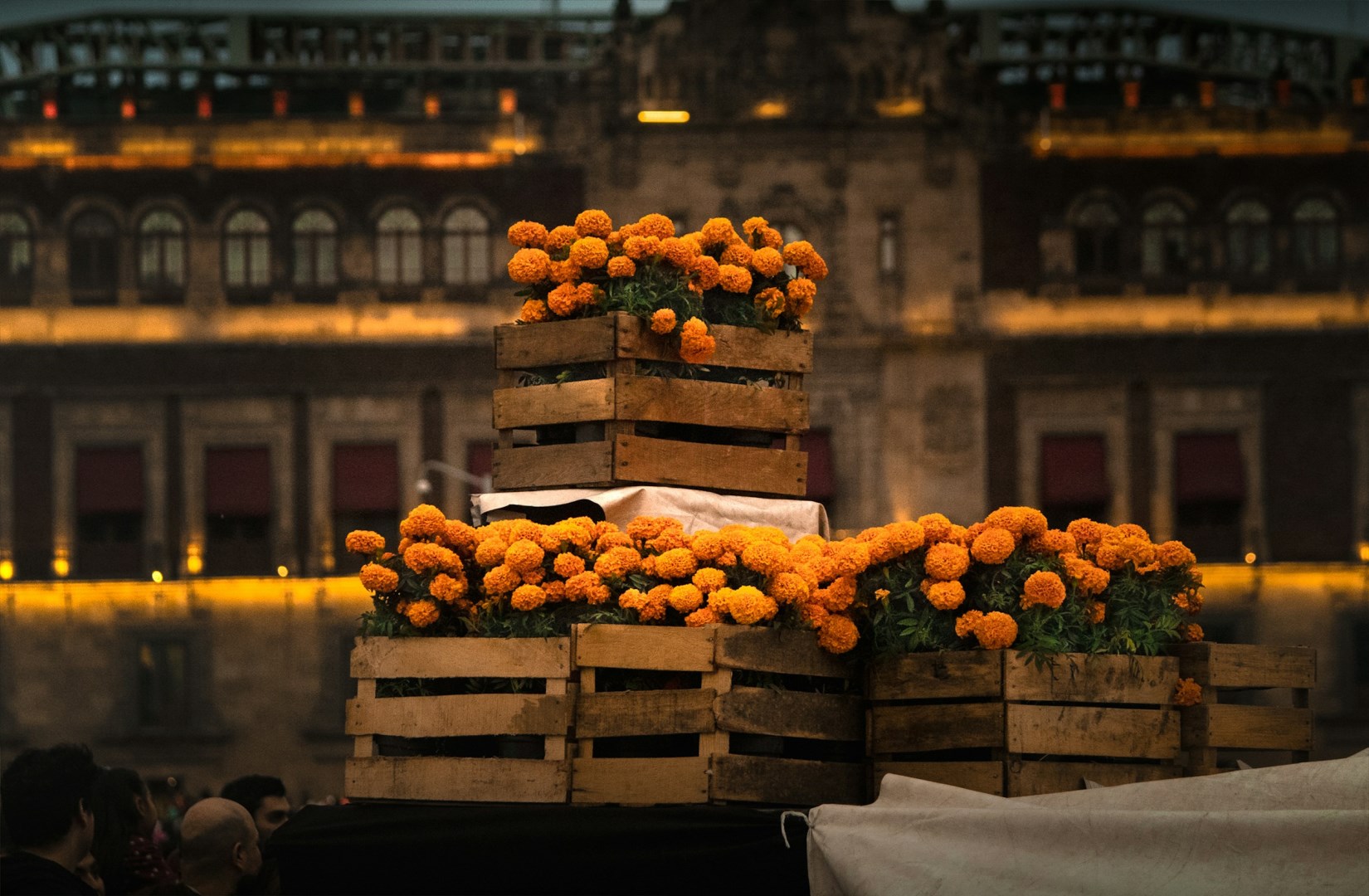

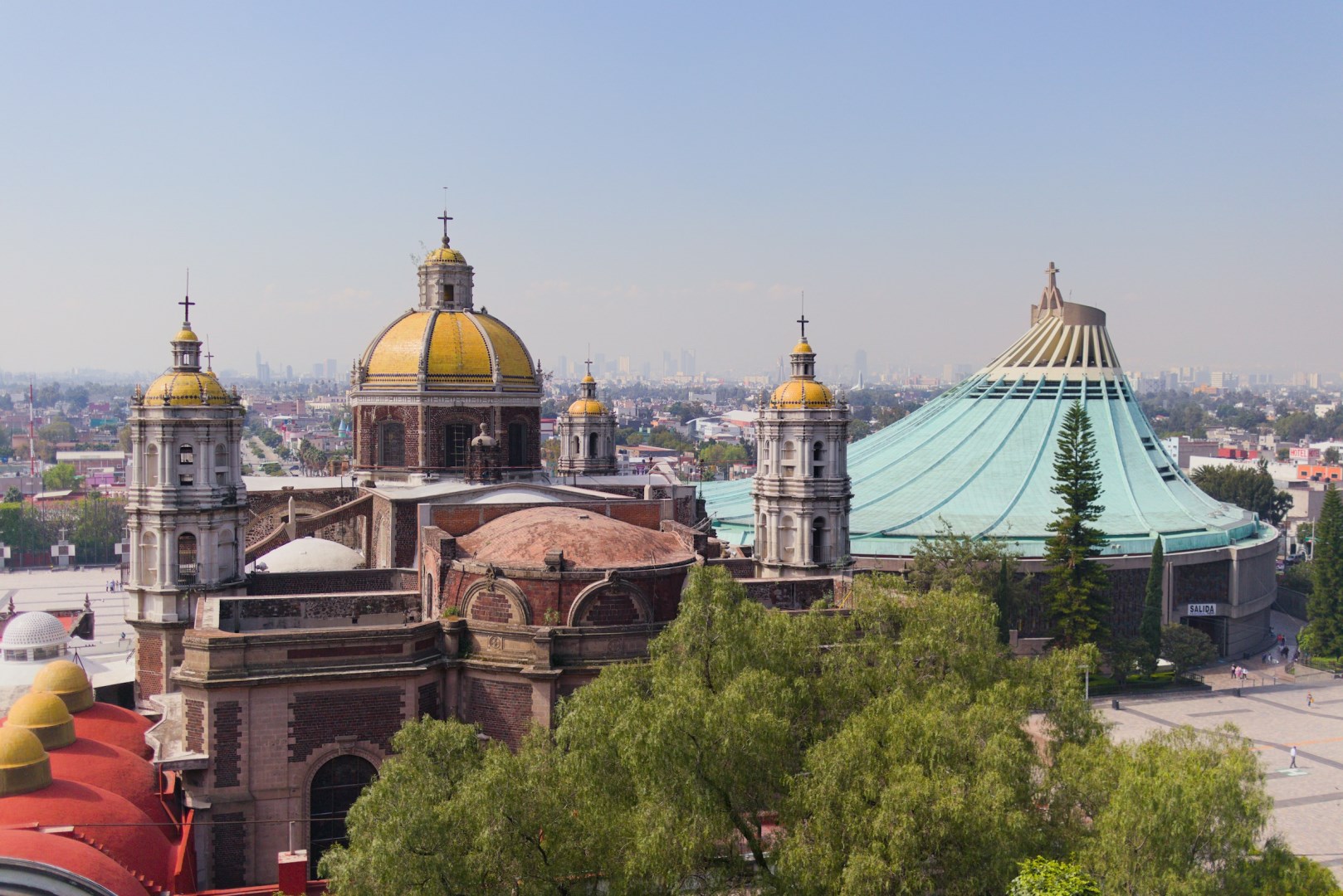
Mexico City sits on the high plateau of central Mexico, layered with more than seven centuries of history and culture. Built atop the ruins of the Aztec capital Tenochtitlán, the city reflects a continuous dialogue between Indigenous foundations, Spanish colonial influence, and modern urban life. Historic districts such as the Centro Histórico reveal grand plazas, cathedrals, and government buildings that trace the city’s role as a political and cultural heart of the country.
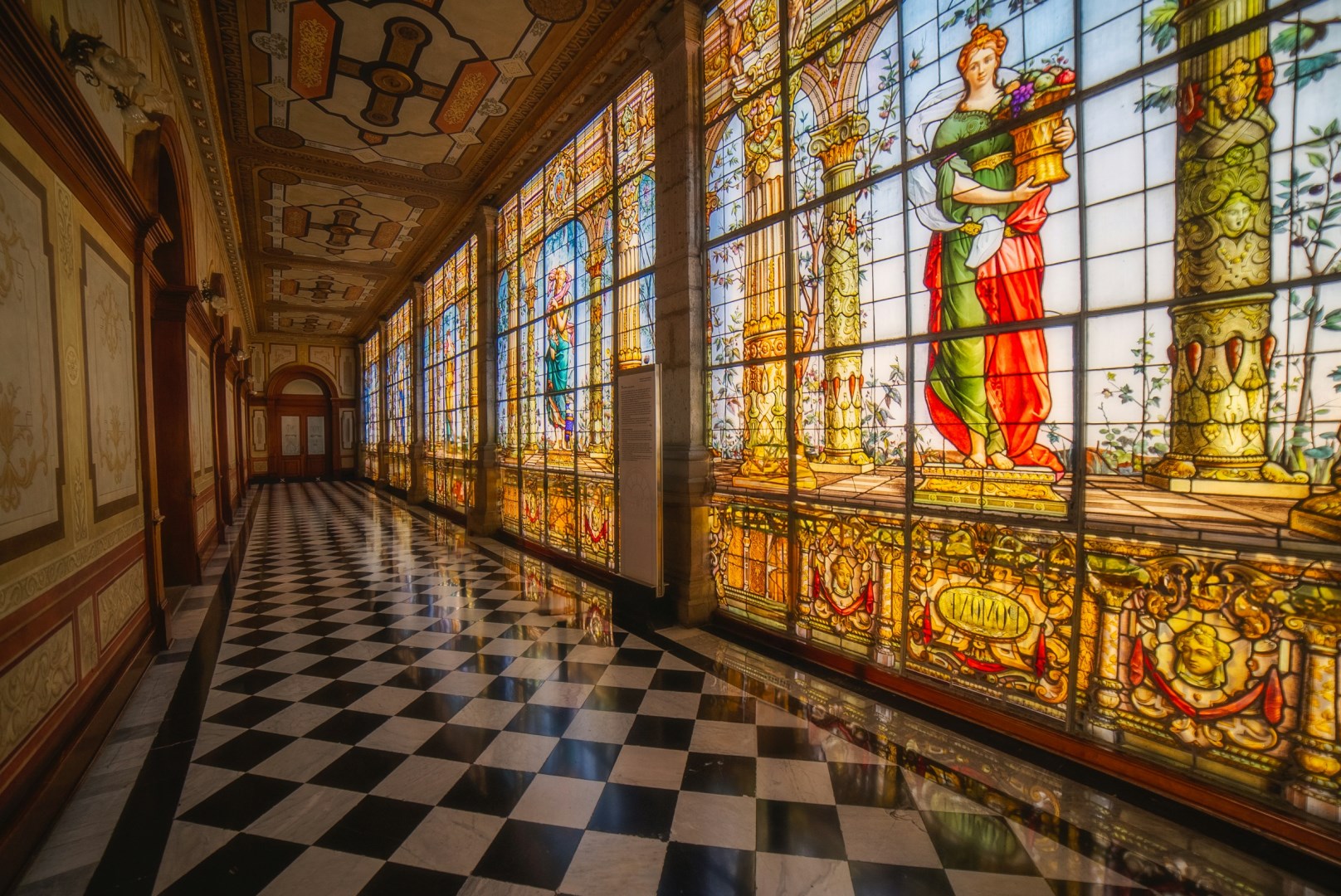
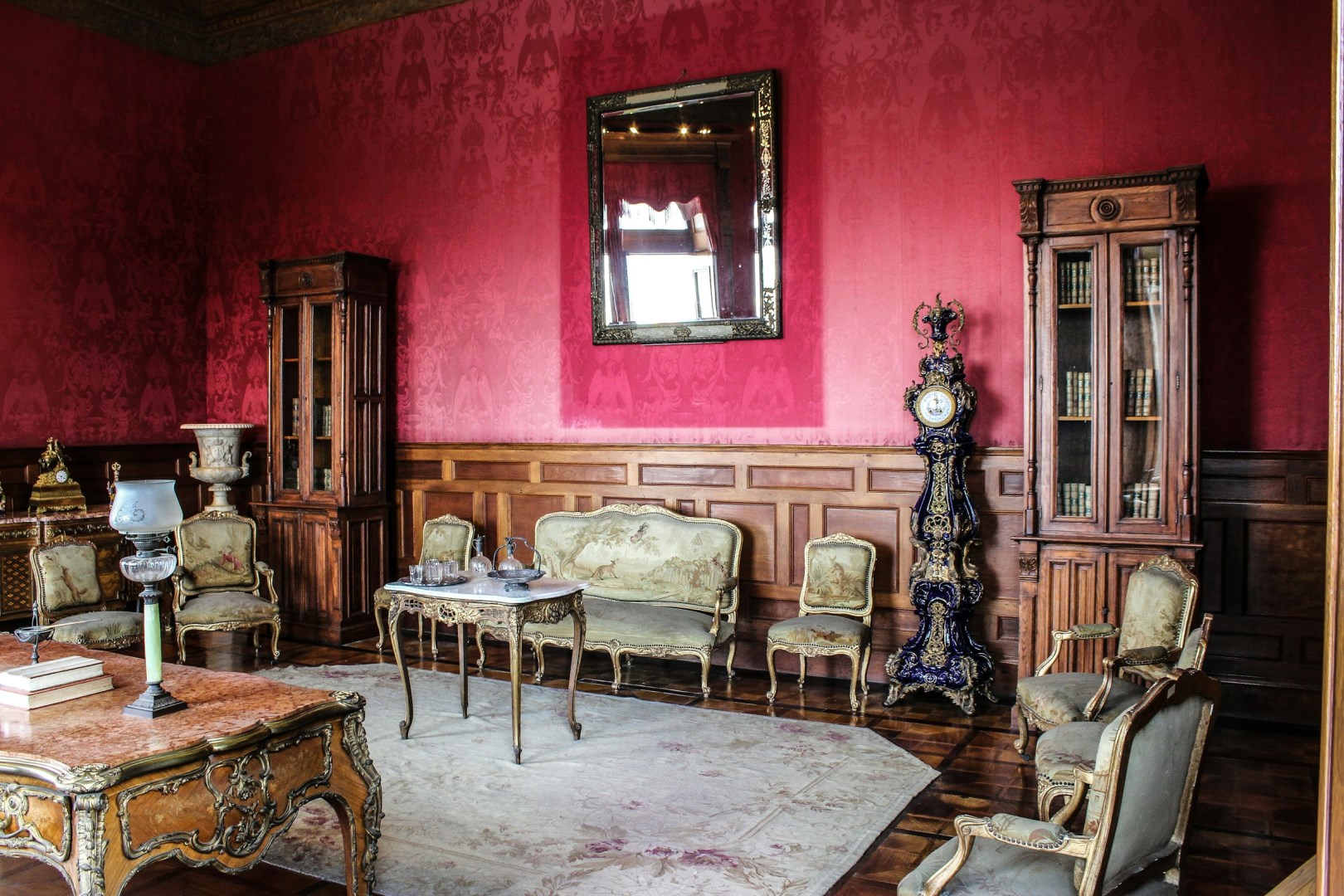
The city’s setting is shaped by altitude, volcanic geography, and surprising expanses of green space. Chapultepec Park, one of the largest urban parks in the Western Hemisphere, contains lakes, museums, and the former imperial residence of Chapultepec Castle. Beyond the city center, canals in Xochimilco preserve remnants of ancient agricultural systems, while views of distant volcanoes remind visitors of the dramatic landscape that frames daily life.
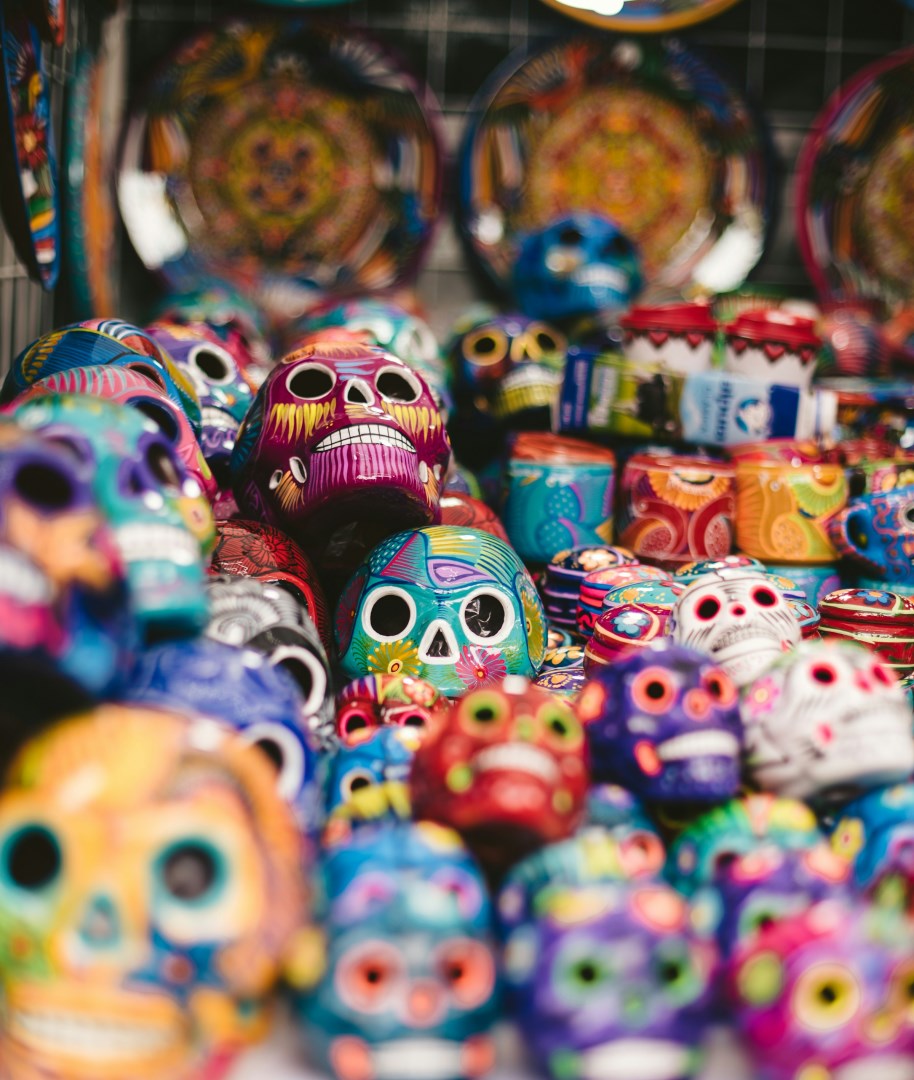
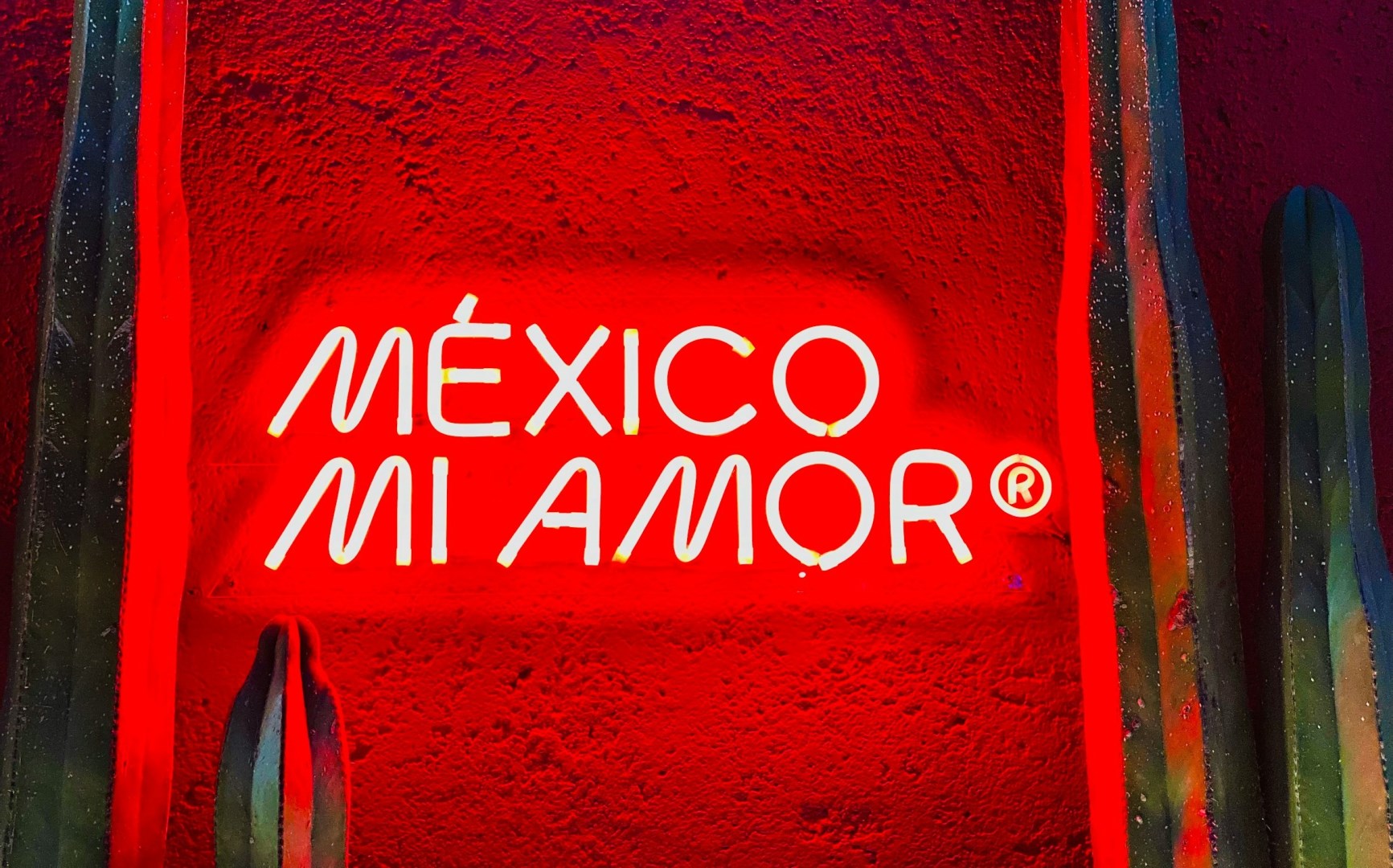
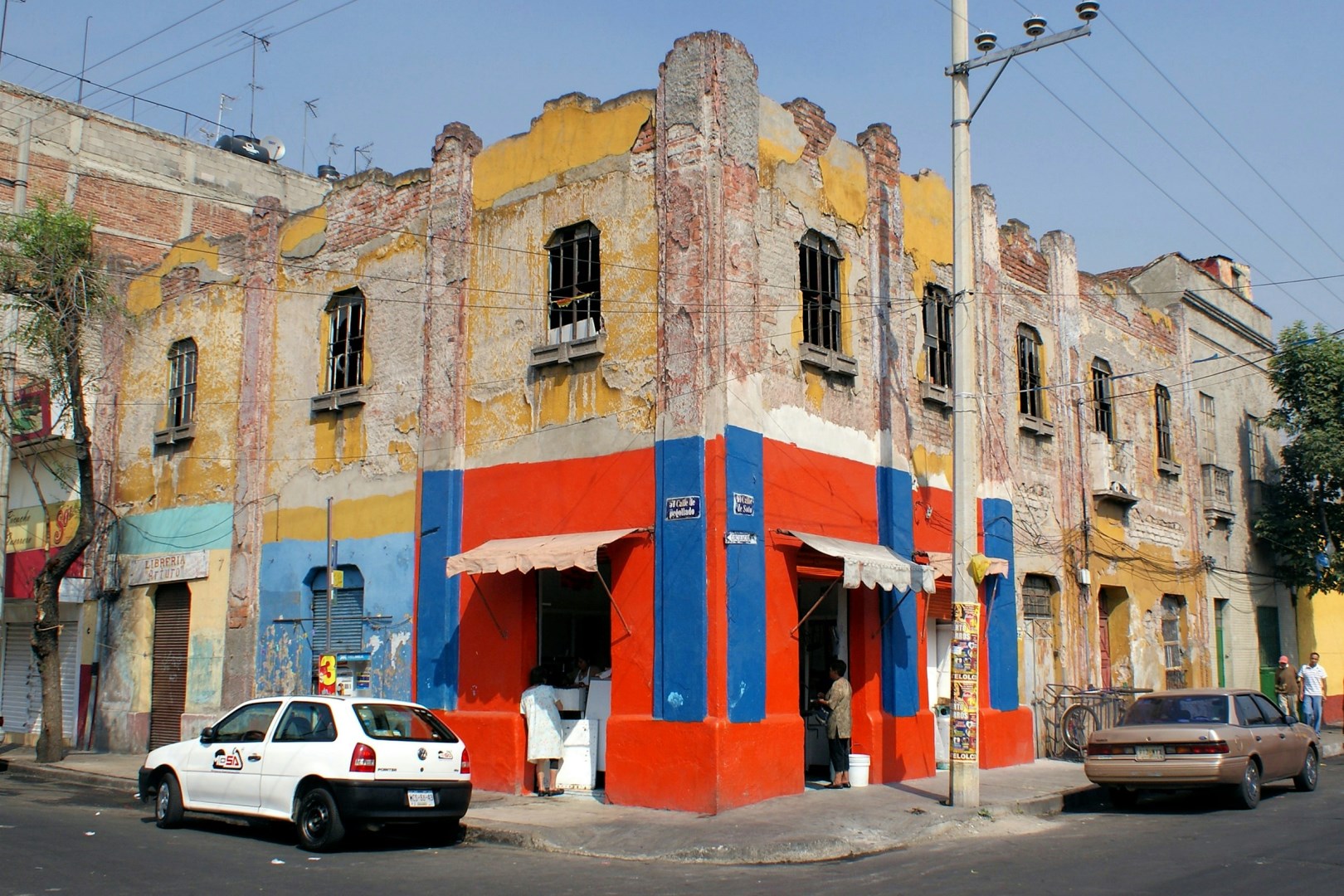
Mexico City’s character is complex and deeply expressive, defined by art, food, and neighborhood life rather than a single narrative. World-class museums, street markets, contemporary galleries, and centuries-old traditions coexist in close proximity. The city rewards curiosity, offering an experience that feels constantly evolving while remaining firmly rooted in its past.
Learn More About Mexico City
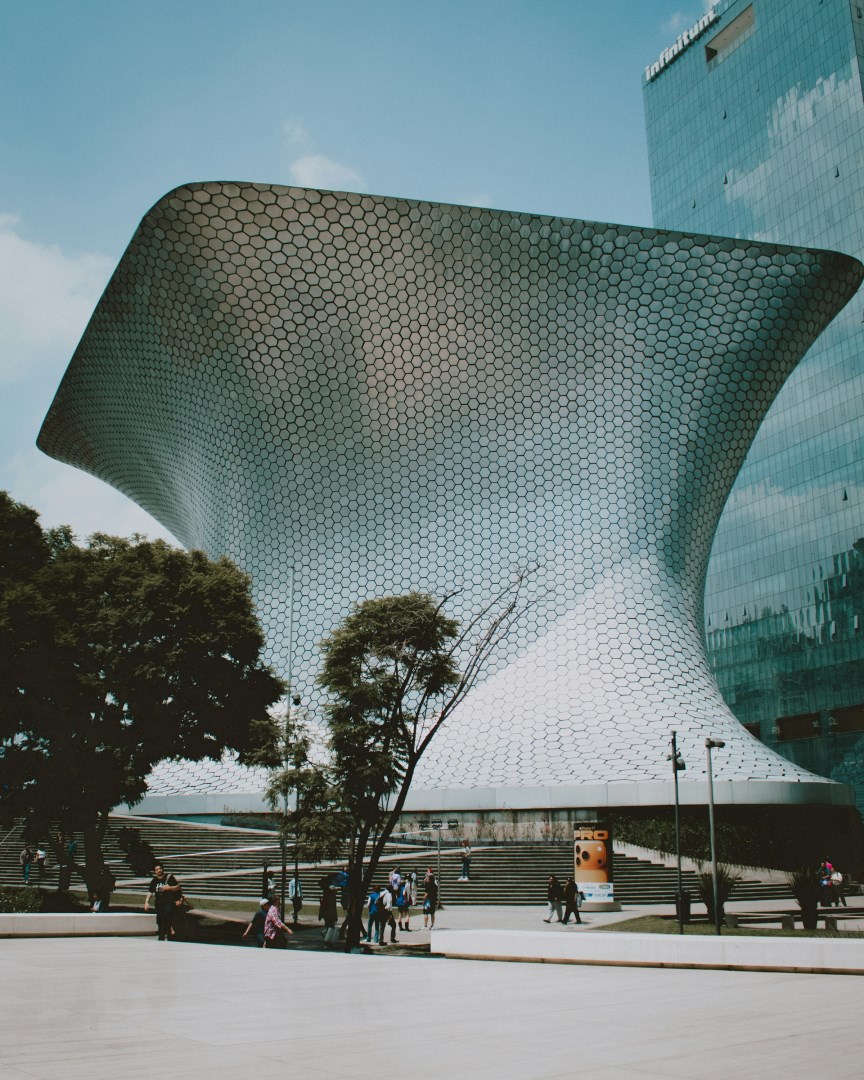
Museo Soumaya is a private art museum in Mexico City, housed in a distinctive silver-colored building in the Nuevo Polanco district designed by architect Fernando Romero. Its collection includes more than 30,000 works spanning several centuries, with European and Mexican art, sculptures, decorative arts, and historical objects. The museum is particularly known for its large collection of works associated with Auguste Rodin, as well as paintings by artists such as El Greco, Tintoretto, Diego Rivera, and Rufino Tamayo. The building's irregular, curving facade is covered with thousands of hexagonal aluminum panels, giving it a distinctive appearance.
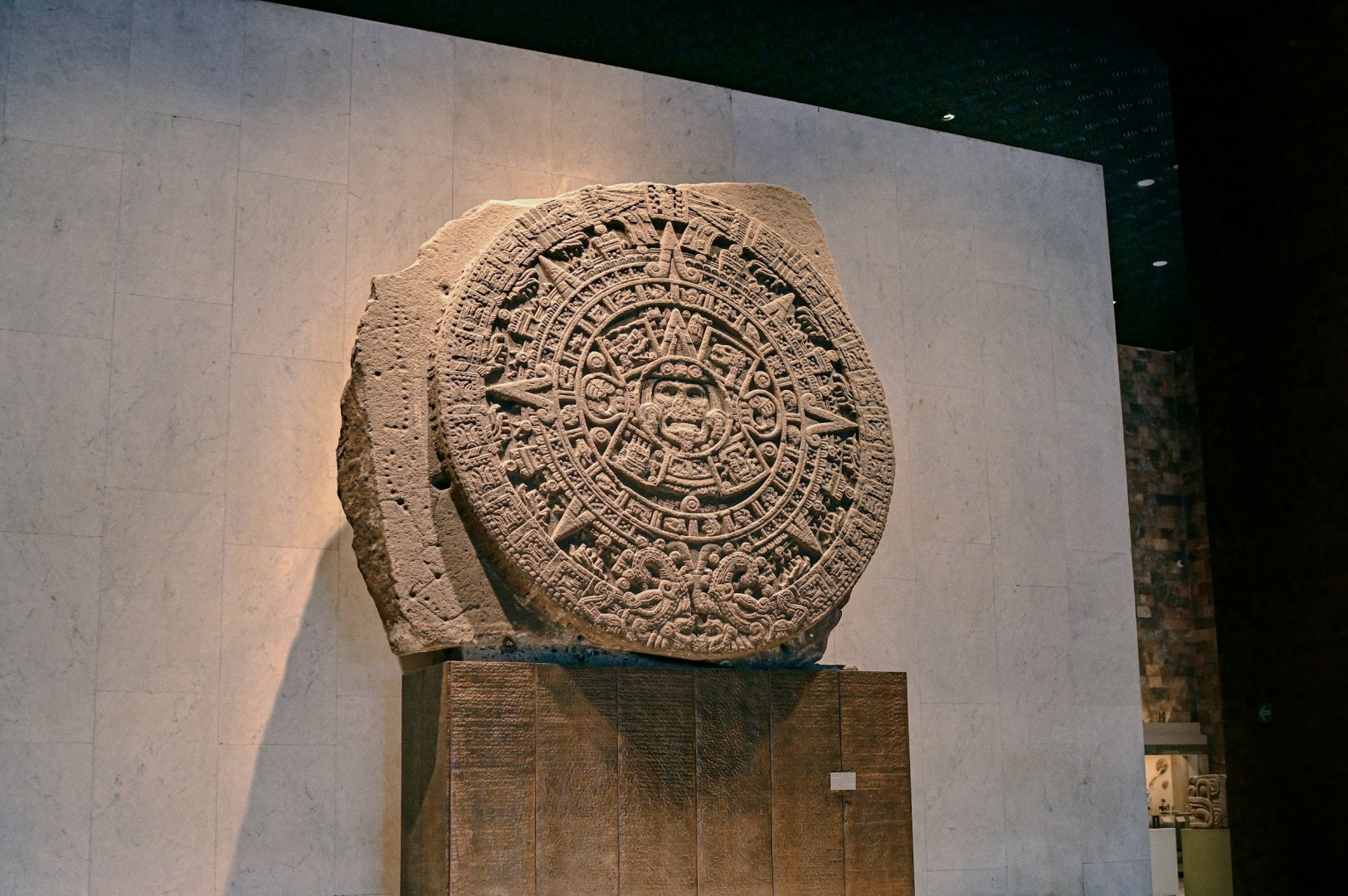
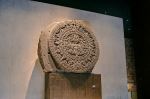
Museo Nacional de Antropología is one of Mexico City’s leading cultural institutions, located beside Paseo de la Reforma in Chapultepec Forest. Its collections focus on the archaeology of Mexico and the ethnography of its Indigenous peoples, with galleries devoted to cultures including the Mexica, Maya, Teotihuacan, Oaxaca, and the Gulf Coast. The museum’s architecture, designed by Pedro Ramírez Vázquez, centers on a large courtyard covered partly by the monumental El Paraguas canopy, whose sculpted bronze column incorporates imagery linked to Mexico’s Indigenous heritage. Among its best-known objects are the Mexica Piedra del Sol, Coatlicue sculpture, and other major archaeological works.